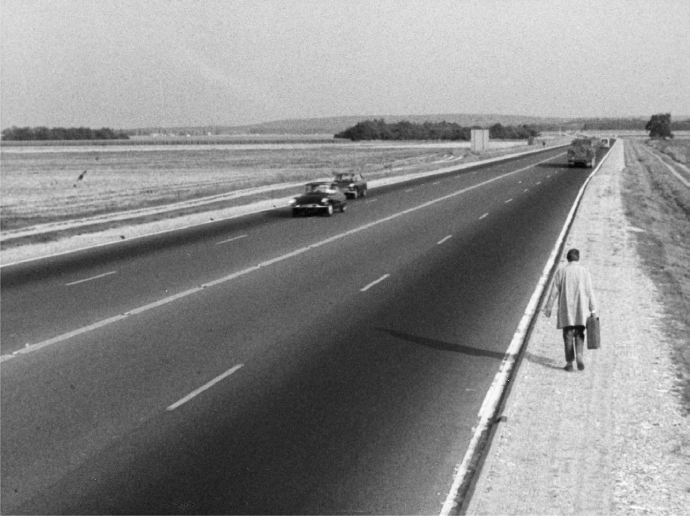
Going “off the beaten track” is a metaphor for encountering relatively unfrequented places that are off the map for most travelers. But through my teaching and research, I discovered the benefits of taking the metaphor literally. An early result of this was the booklet Auf Abwegen (meaning both “off the beaten path” and “deviant”), published in 2019.
The paths and spaces we use every day tend to escape our attention. Most of the time, we are not aware of the extent to which our movements are governed by norms and habits. This issue of Pamphlet takes the reader off the beaten track and opens up new perspectives on our familiar surroundings. It proposes walking as a method for actively questioning our patterns of perception and movement, and explores how it can serve as a tool for critical engagement with landscapes and the built environment, as well as a potential tool for design and planning processes.
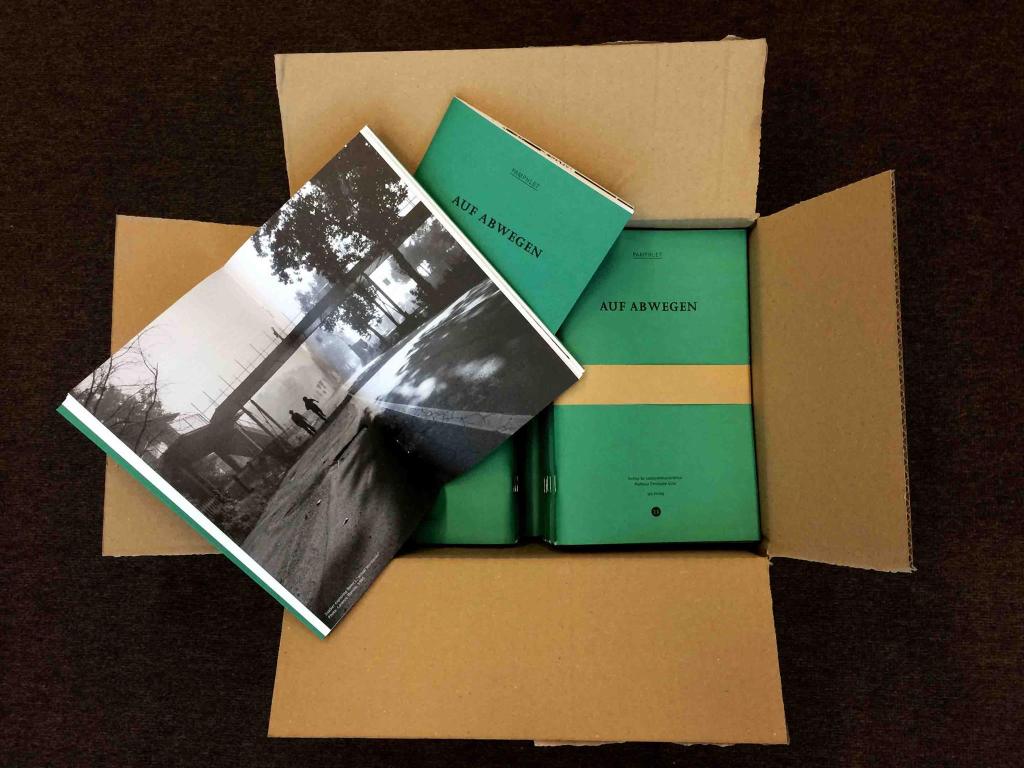
Edited by Patrick Düblin, Isabelle Fehlmann, and Christophe Girot, the issue opens with an introduction to Lucius Burckhardt’s Strollology, continues with a planner’s approach to public space in Zurich, and revisits the apartment as the atom of urbanism. It then delights in deliberately wasting time on the urban periphery through playful and collective explorations, considers the possible consequences of a car breakdown, and follows a contemporary artist on her tour of the outskirts of Paris. The book concludes with a close examination of a 19th-century garden architect’s peculiar and innovative method of designing walkways.
The publication, with contributions in German and English, is freely available here.
 Patrick Düblin
Leave a comment