
What can we learn from the informal and transgressive actions of the alliance between two underprivileged communities and a group of activists? What do they teach us about architecture, placemaking, and intercultural understanding? These are some of the questions I address in an article I recently published in the Journal of Urbanism.
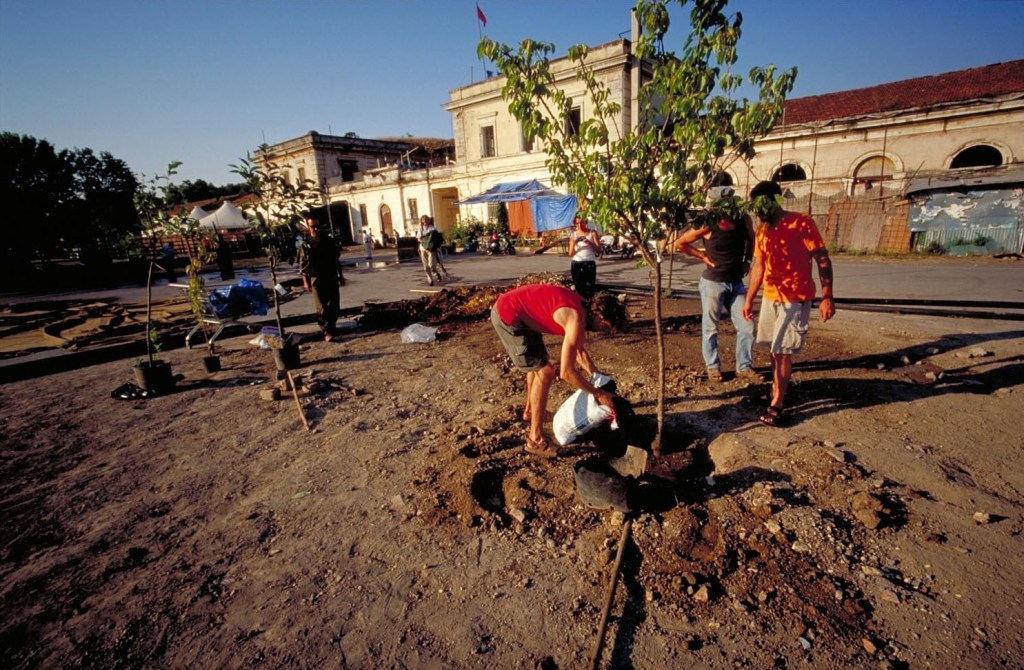
The discussion focuses on the creation of two unusual dwellings in contemporary Rome: the establishment of the Kurdish cultural center Ararat and the construction of Savorengo Ker, a short-lived example of dignified housing for a Roma community.
Both cases offer a story about the transformative power of participatory design as a bottom-up form of placemaking, its potential for empowering a marginalized group, and the diversity of informal acts of cooperation and resistance.

 Patrick Düblin
Leave a comment