
The challenge of how best to record, represent, and preserve lived experience is one that humanity has grappled with for centuries, if not millennia. In addition to video, photography, and written text, the Stalker collective has prominently used cartography to make visible their ephemeral events, such as walks and simple interventions in urban space.
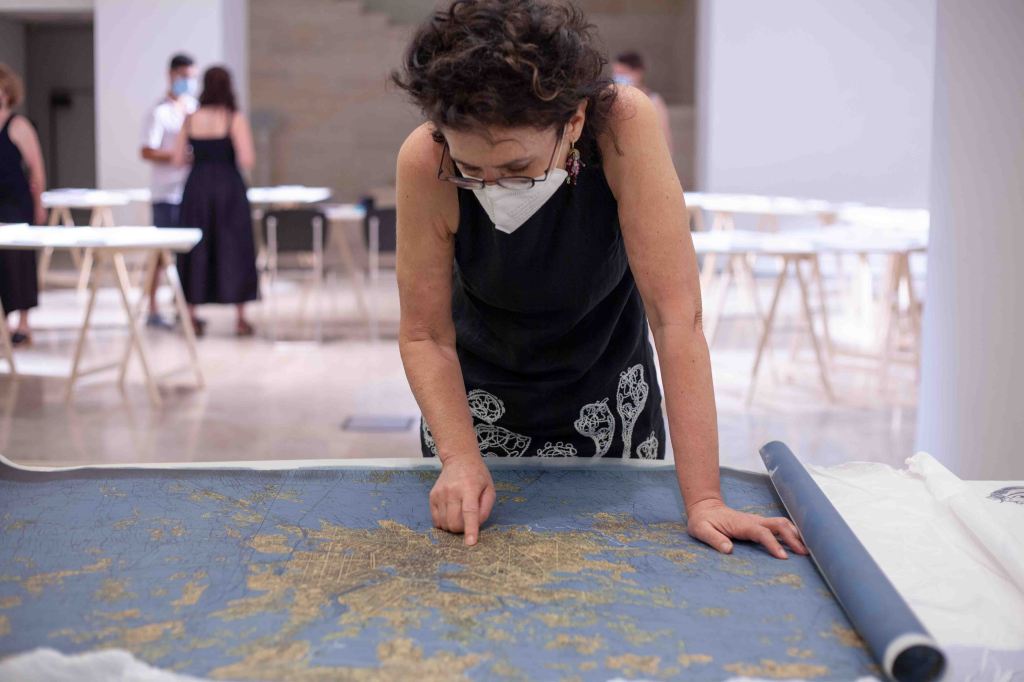
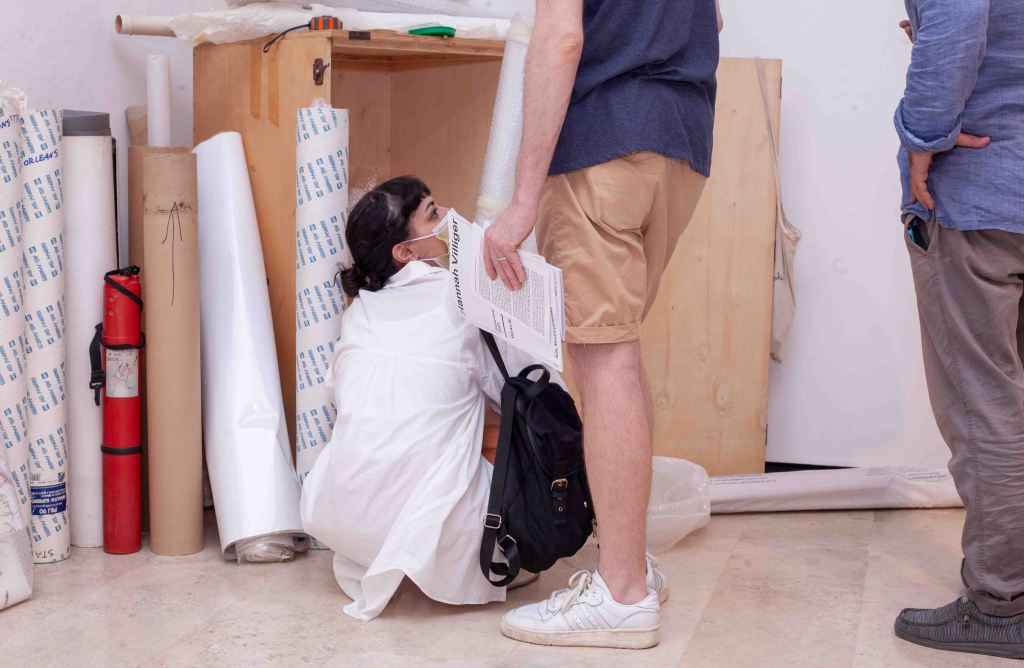
In June 2021, at the end of my residency at the Swiss Institute in Rome, I initiated an exhibition/happening that aimed to reverse the relationship between experience and representation of Stalker’s maps. Together with visitors, the collective’s rich collection of maps was unpacked, unfolded, laid out, hung, compared, discussed, and photographed.
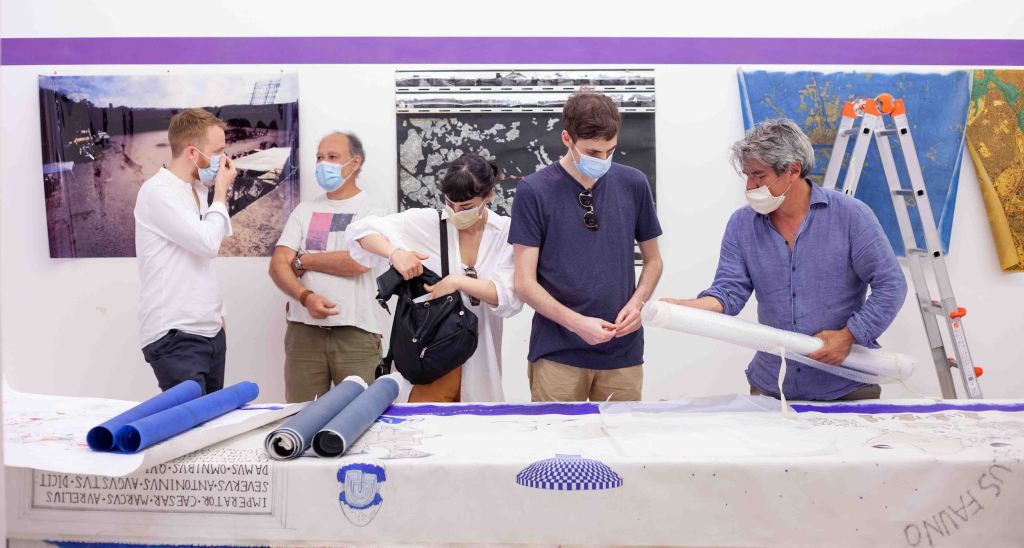
The maps reflected both an urban practice and a piece of Rome’s recent urban history. Anyone interested was invited to participate in the unpacking action, where the materiality of the documents mixed with the oral testimonies of the group of artists present and the questions and suggestions of the participants.
Through the performative and participatory activation of the map material, its purpose was reversed – instead of being a silent testimony of past actions, it became the trigger for a lively happening with an open end.
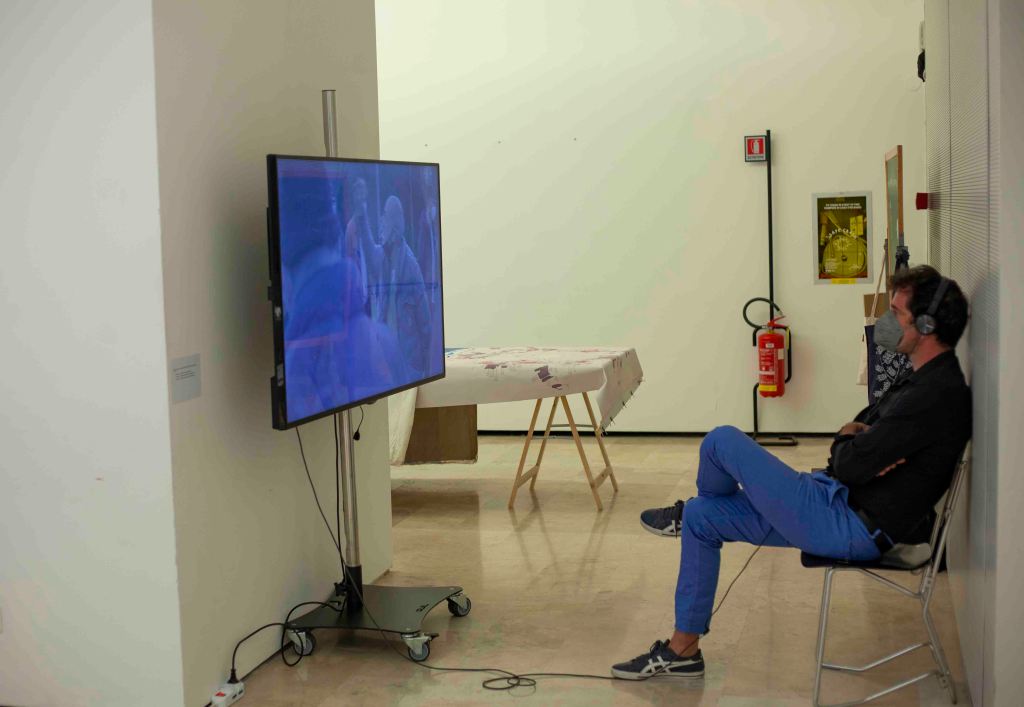
In addition, a video installation and the Amacario, a complex system of hammocks, shed light on the collective’s practice.
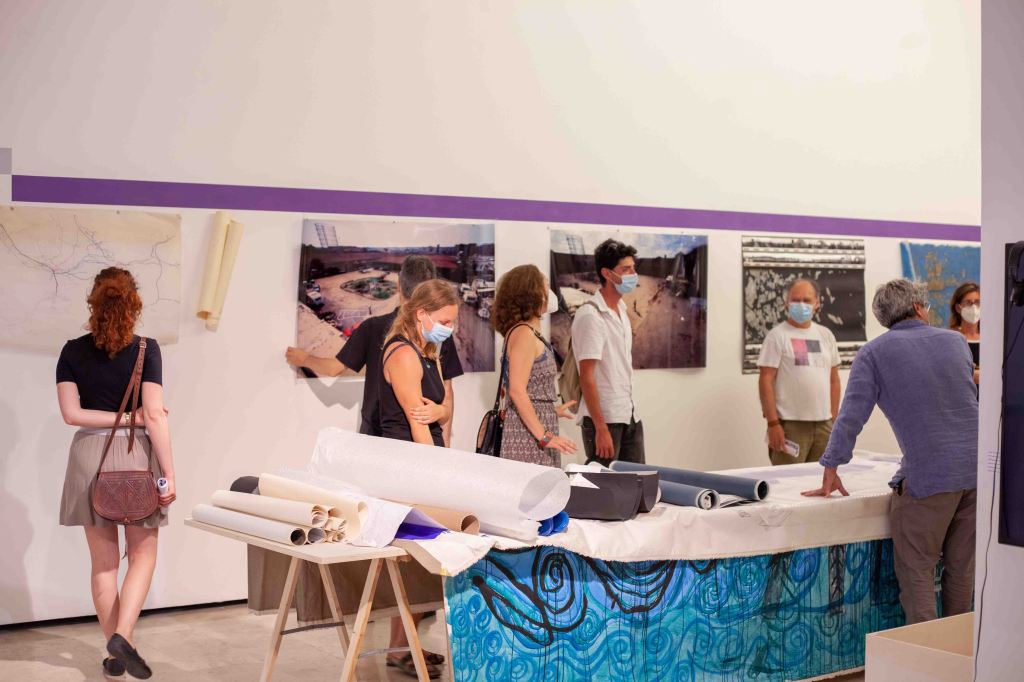
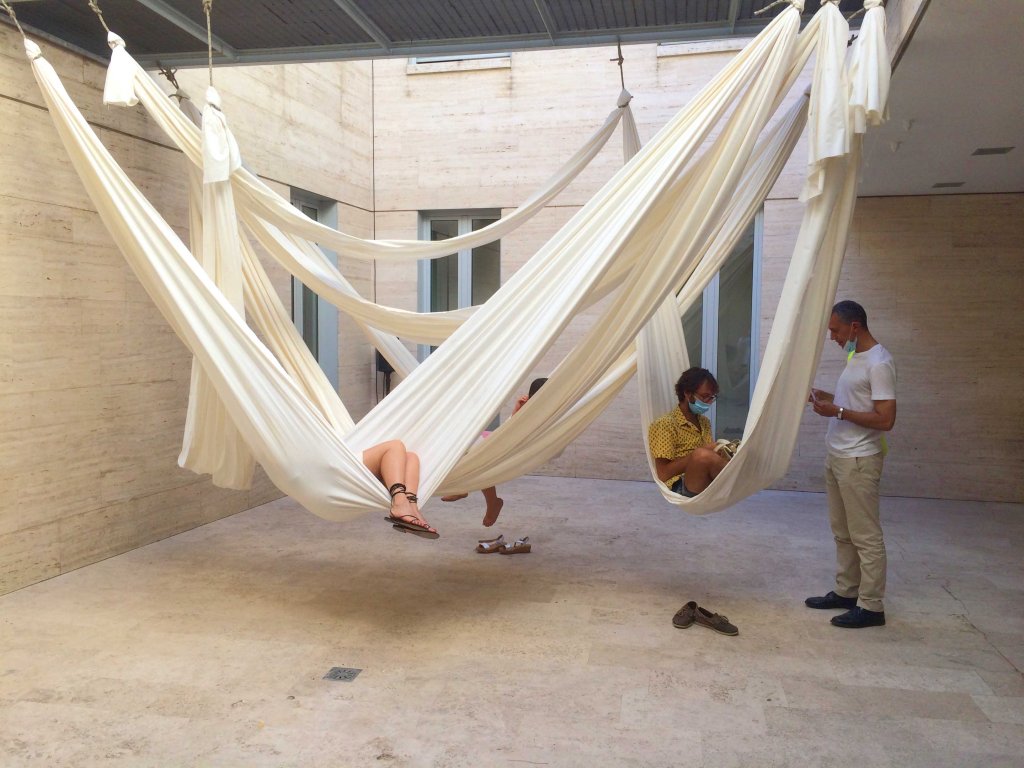

The exhibition took place as part of ‘Proximities‘, the closing event for the 2020/21 Fellows of the Istituto Svizzero di Roma. All photos by Franky Kuete.
 Patrick Düblin
Leave a comment