
As the Middle East teeters on the brink of full-blown war, I’m reminded of how lucky I was to have had the opportunity to travel to Iran and visit some of the great Persian achievements that are now at risk from potential Israeli airstrikes. It was a study trip from our chair at ETH Zurich in the spring of 2019. And the timing turned out to be perfect. In fact, it was perhaps one of the last opportunities to travel to Iran with a group of international students. Shortly thereafter, the country was devastated by floods, the U.S. assassinated an Iranian military officer, and the Women, Life, Freedom movement took off, followed by increasing government repression. Today, a trip to the historic city of Isfahan, near where the main facility of Iran’s nuclear program is located, would be a challenge to fate, to say the least.
Back in 2019, we went to Iran to visit the rich cultural heritage of Persia, especially the thousand-year-old gardens. But what I want to reflect on now is something more contemporary. A personal shock I experienced there. The moment when all the women took off their headscarves.
In fact, from the moment we landed in Shiraz, all female passengers were required to put on a headscarf – and keep it on. The hijab has been a mandatory garment for women since the Islamic Revolution in 1979. However, it turned out that how to comply with this rule was somewhat open to interpretation, as there were many variations of wearing it, from a loose piece of cloth balanced on the back of the head to the full burqa. The former version was common in large cities, while the latter was more common in rural and more conservative areas. To some extent, the implementation of the hijab rule could serve as an indicator of the personal freedom of women in those places. (Of course, this was before the murder of Mahsa Amini and the regime’s violent crackdown on protesters).
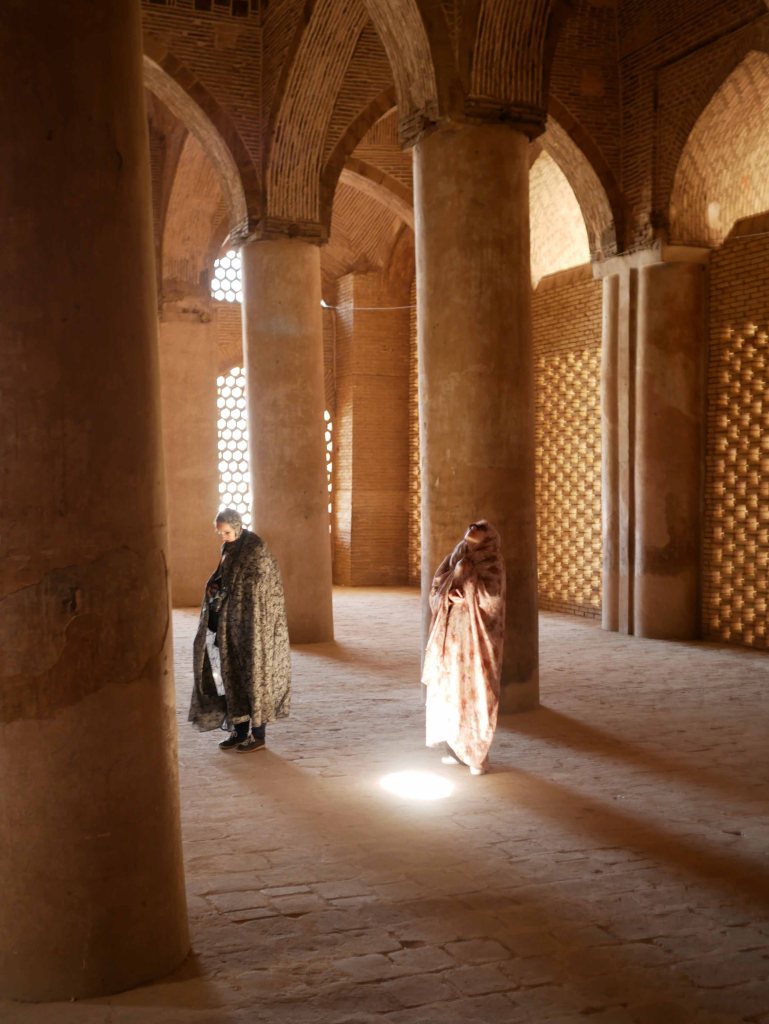
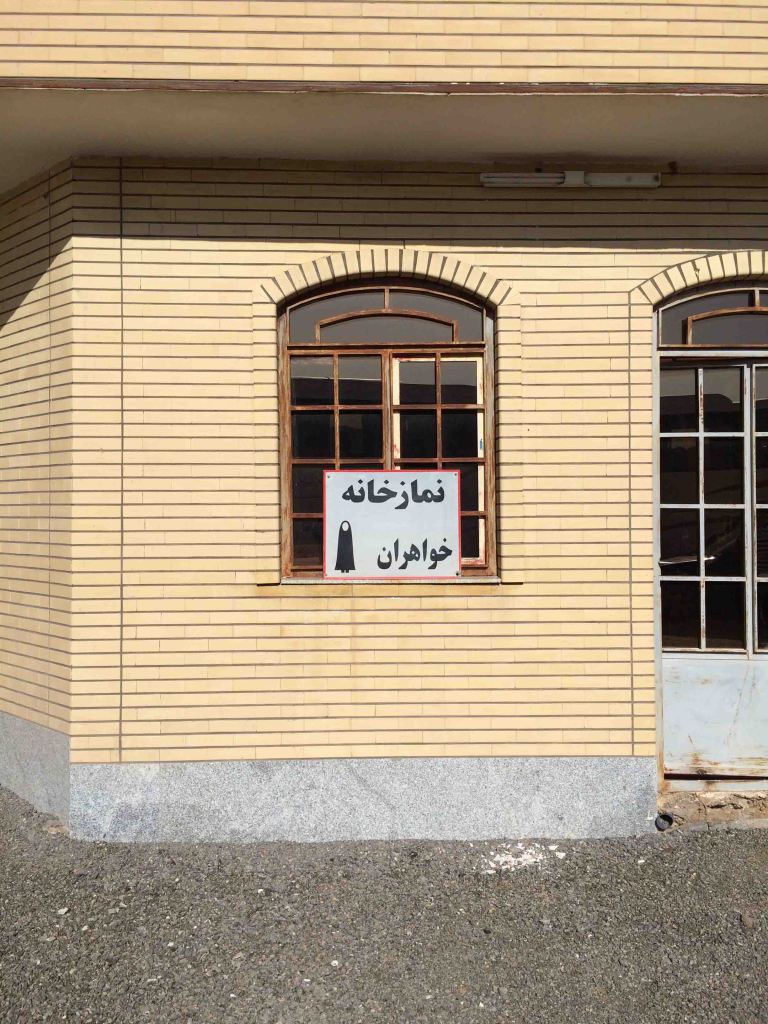
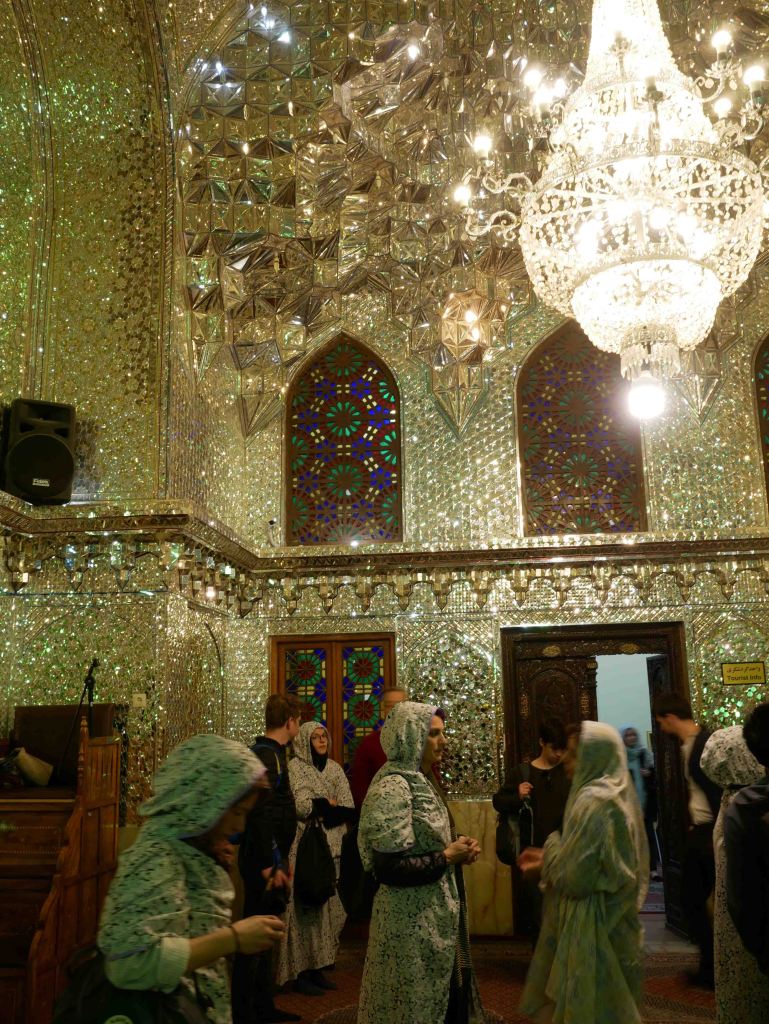
Additional rules apply to holy places. To enter certain mosques, women are required to wear the “complete Islamic hijab”, that is, to cover their bodies from head to ankles. So I saw my female travel companions alternating between headscarf and full-body disguise. For us tourists it was of course a temporary requirement, something we joked about. But how quickly I got used to the new reality of veiled women was frightening.
In the evening of the second day we were invited to a private house. As we entered, all the women began to remove their headscarves. It is difficult to describe the impression this made. It’s true that at that moment I saw some of the students’ hair for the first time, but even more striking was the fact that with this collective removal of the veil, the atmosphere of the room had changed significantly. I was not the only one who was stunned. After only two days, we had become completely accustomed to the veiled appearance of the women in our group.
The shock turned out to be appropriate, as it was the result of the huge symbolic threshold we had crossed when we entered these private domains. Even though the apartment was packed with about 30 people, the intimacy of the entire evening was unprecedented. And so was the presence of women. Our host, a woman, greeted us by introducing us to her family, blatantly pointing out that two of her daughters were still single. I couldn’t say for sure whether this undisguised remark was directed specifically at us foreigners who came from wealthier and more liberal countries. In any case, it was more than representative of the intimate atmosphere: By entering this private space, the oppressive segregation of the sexes in public life had transitioned seamlessly into their proposed union. After dinner, a man strummed his guitar and our host began to dance – again, an act that would be punishable in public.
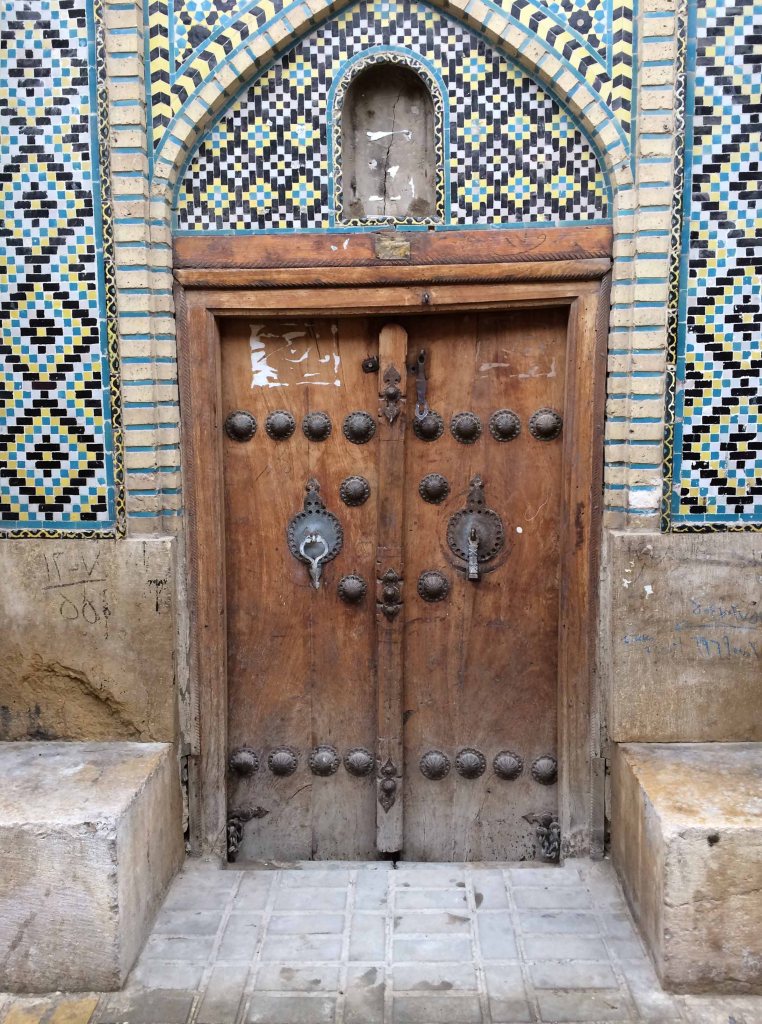
Repression is a response to fear. And the Iranian regime is terribly afraid of women, even more so since the death of Mahsa Amini. However, the moral justification for the veiling of women’s bodies in public and sacred spaces is rife with double standards. Take, for example, the entrance of this historic mosque in Shiraz. It has two different door knockers, the right one for men and the left one for women. It’s hard to believe that a regime that imprisons and tortures women for showing a strand of hair at the same time honors and preserves its architectural Islamic heritage, which did not shy away from displaying the genitals of both sexes on the gates of a sacred institution.
 Patrick Düblin
Leave a comment